Fire safety engineering for high-hazard industrial facilities
We engineer fire protection for refineries, petrochemical complexes, gas processing and power generation. We start from the process — what is inside the plant and how it behaves — not from a table in a code.
Our approachGroup capability. Mainstream Petrochemical Instruments FZE is the UAE engineering entity of the group; delivery is described under About.
Method
Fire safety starts with the process, not with the code
Most industrial fire protection is designed backwards. A code is opened, a table is read, a system is specified. The result satisfies the regulation and protects the wrong thing, because nobody established what was actually at risk before the equipment was chosen. We work in the opposite direction.
Read the plant
Every medium and where it sits. The state each substance is in — liquid, vapour, above flash point, under pressure, cryogenic. Its fire and explosion properties. The volumes held and how they are handled.
Read what already protects it
Process safeguarding and emergency shutdown, relief arrangements, process automation, existing fire and gas detection, operating procedures and response capability.
Build the scenarios
What releases, from where, in what quantity, ignited when, escalating how far. Consequence modelling, thermal radiation, blast overpressure, dispersion, escalation to adjacent equipment.
Design the protection
Prevent, detect and contain, control and extinguish, minimise consequences — to people, to the asset, to production and to the environment.
Not a template. An engineering answer to a specific threat.
Services
What we do
Concept & Strategy
Fire safety concept, hazard identification, protection philosophy, design basis.
→
Engineering Analysis
Risk assessment, consequence modelling, thermal radiation, blast, fire water, smoke, evacuation.
→
Design & Documentation
FEED, basic and detailed design of detection, suppression, water supply and passive protection.
→
Project Management
Owner’s engineer, technical requirements for tender, interface and change control, site supervision.
→
Procurement & Commissioning
Technical bid analysis, factory acceptance, pre-commissioning, integrated testing, handover.
→All services
The full scope, and how the stages connect.
→Why it travels
Process technology is global
A hydrocracker, an ethylene cracker, a polyolefin line, an LNG train — these are licensed packages, and the licensors are the same worldwide. For twenty years our engineers have worked on facilities built to Western licensor technology, and in recent years to Chinese licensor technology. The plant our engineers read in one jurisdiction is the same plant in another: the same process scheme, the same media, the same operating regimes, the same failure modes.
This is why a refinery or a petrochemical complex is an open book to us regardless of where it is built. We are not translating between markets — we are reading the same technology we have always read.
Sectors
Where we work
Oil & Gas
Wellheads, separation, compression, storage, loading.
→
Petrochemicals & Refining
Process units, tank farms, loading racks, utilities and offsites.
→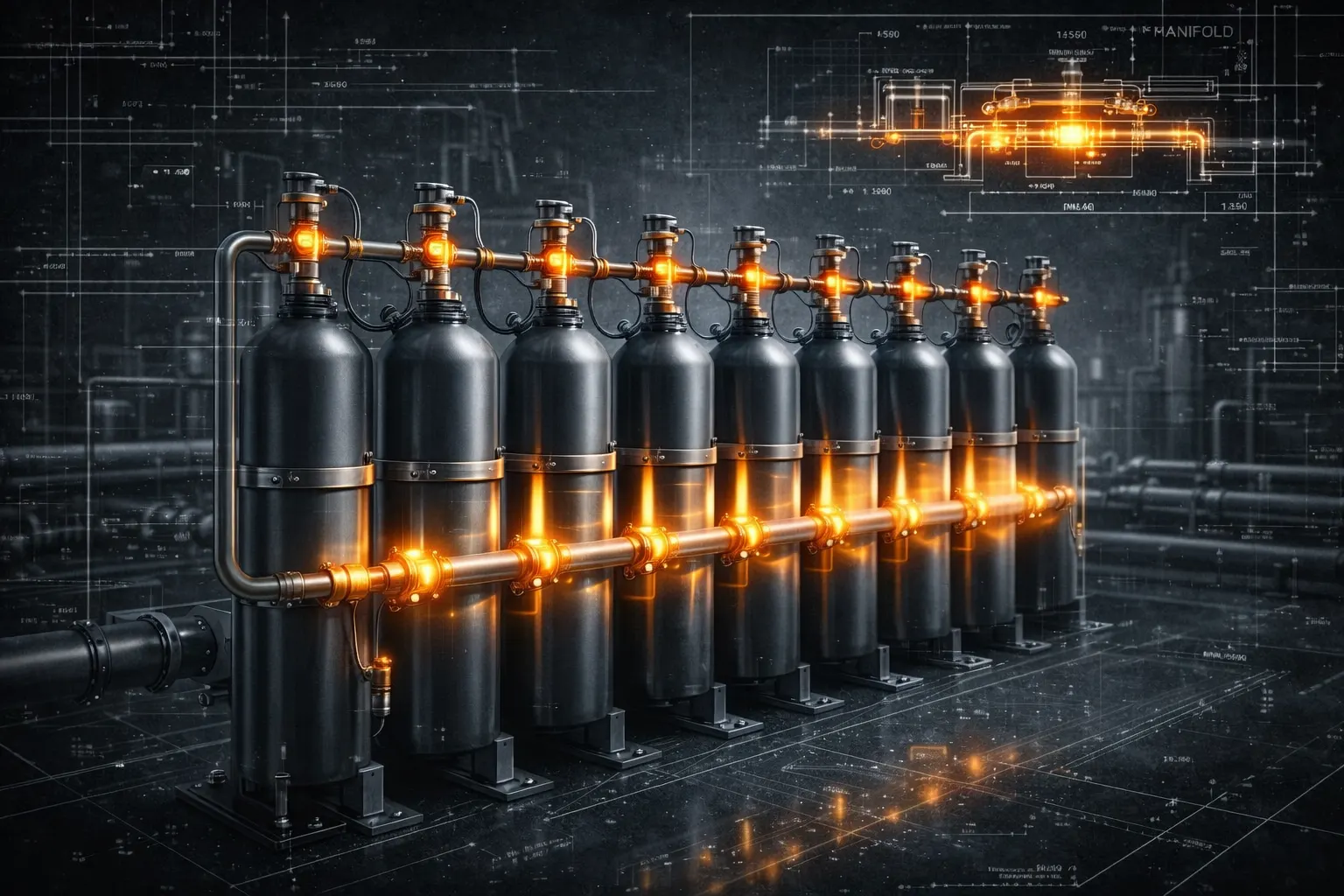
Gas Processing & LNG
Gas plants, fractionation, liquefaction trains, LPG and condensate.
→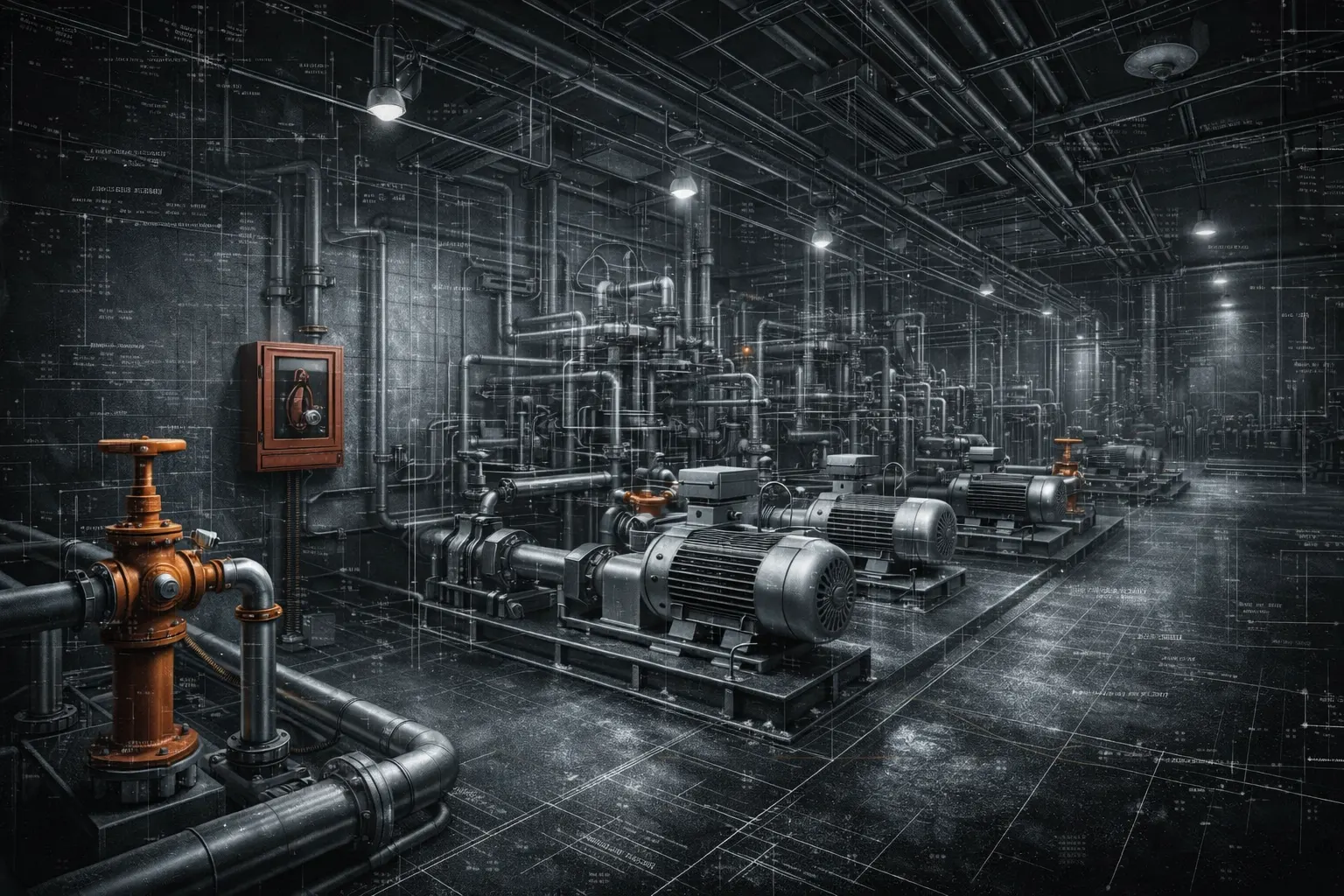
Power Generation
Turbine halls, transformers, cable routes, fuel storage, battery storage.
→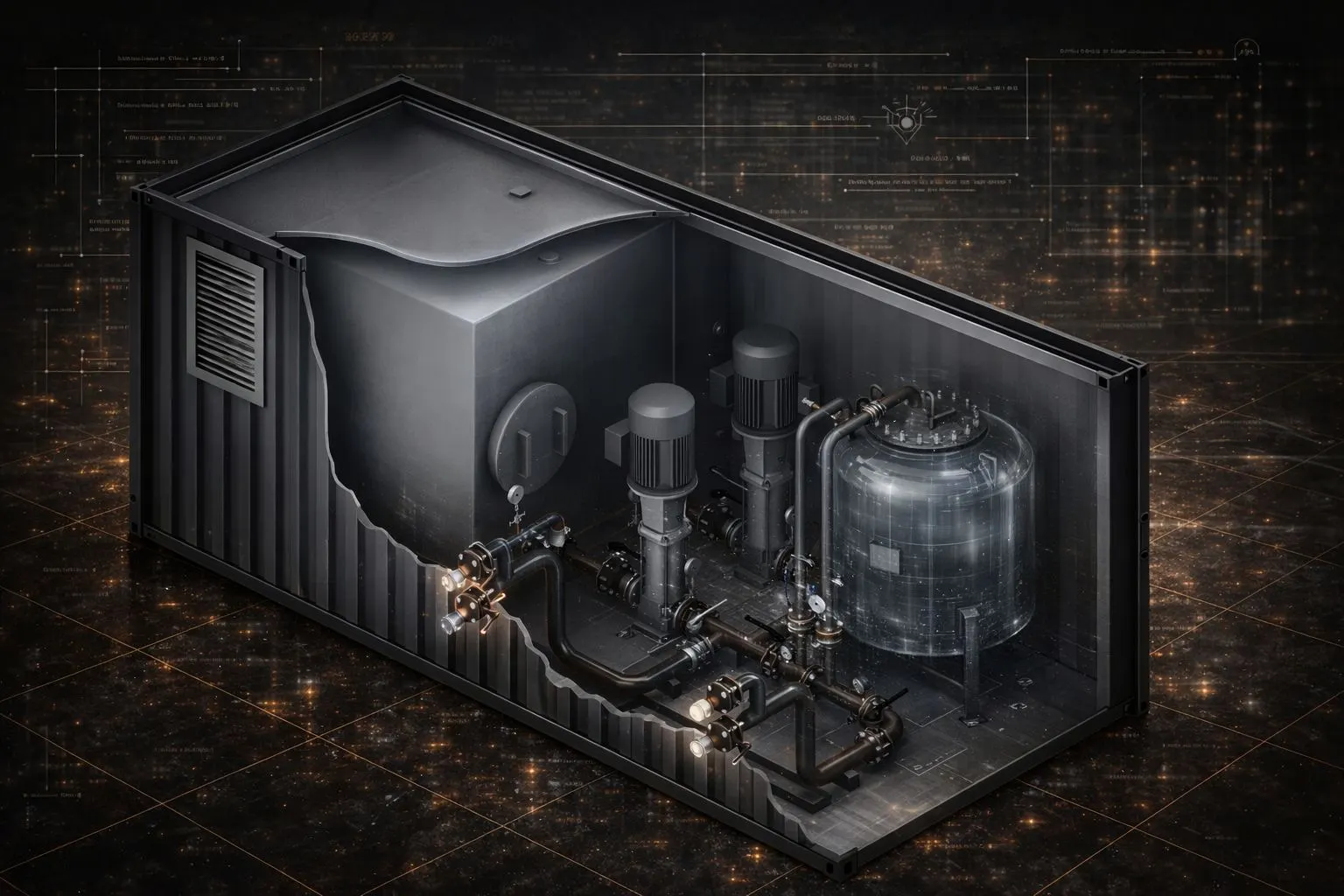
Metals & Mining
Smelters, hydrometallurgy, concentrators, processing plants.
→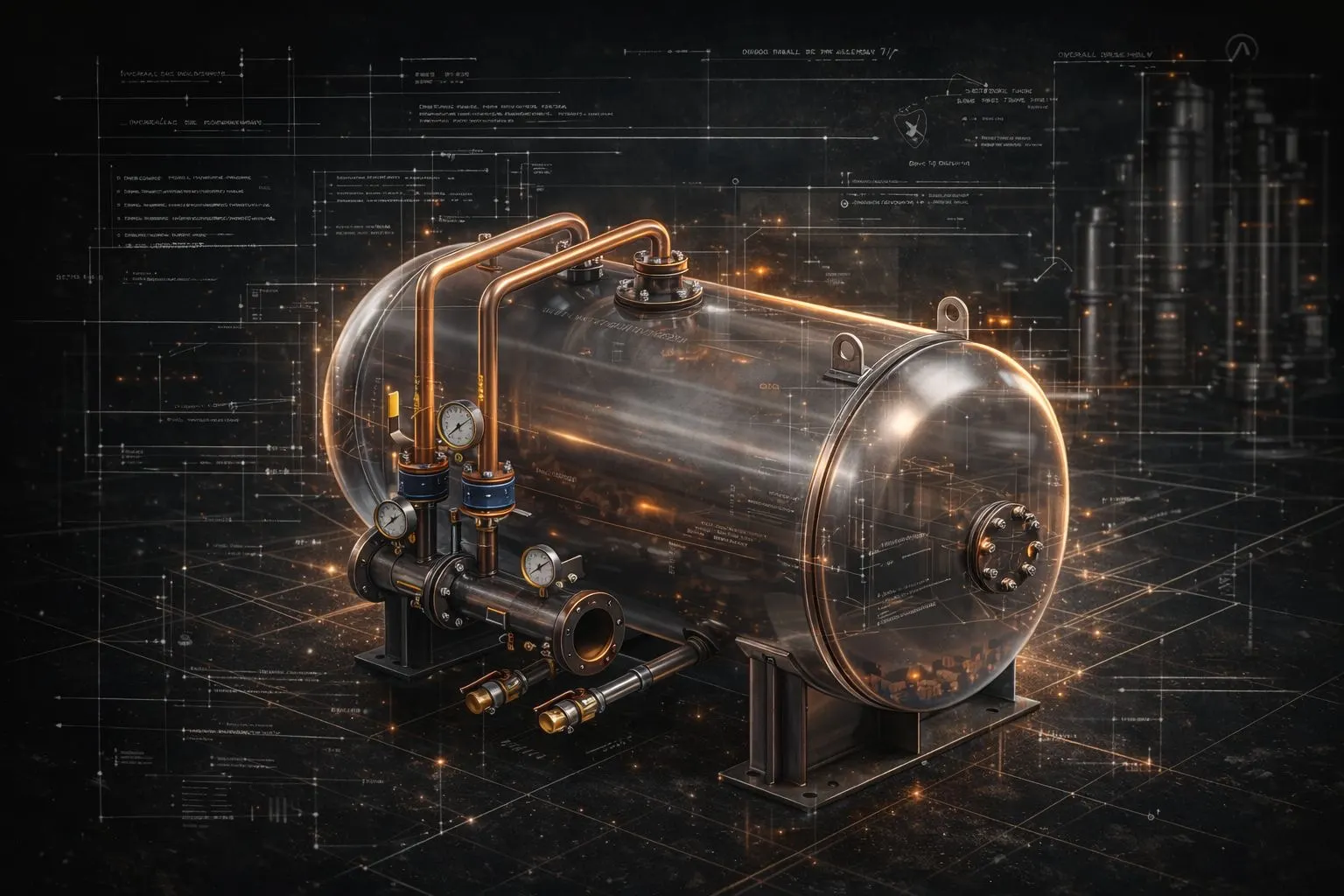
Ports & Terminals
Marine terminals, liquid bulk handling, jetties, storage.
→Bring us the process, not the drawing
Send the block flow diagram, the inventory and the plot plan. We will tell you where the fire problem actually is before anyone specifies a system.
Talk to us